

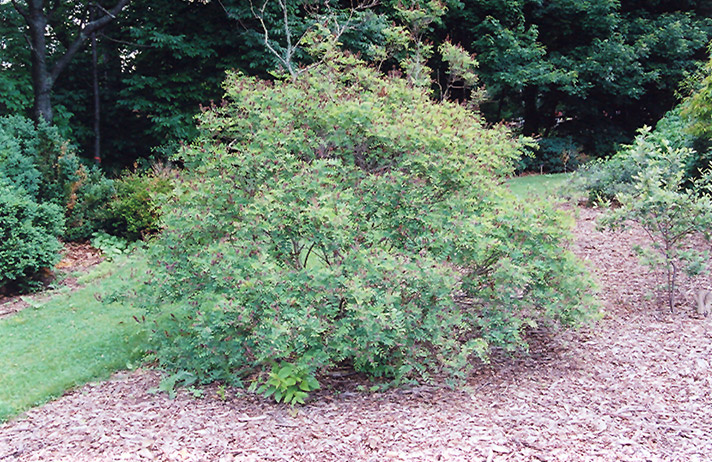
Height: 10 feet Spread: 8 feet
Sunlight:
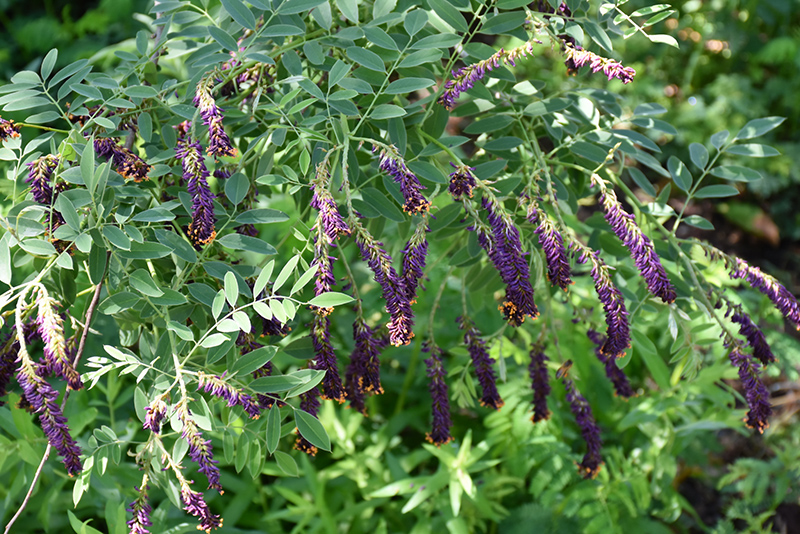
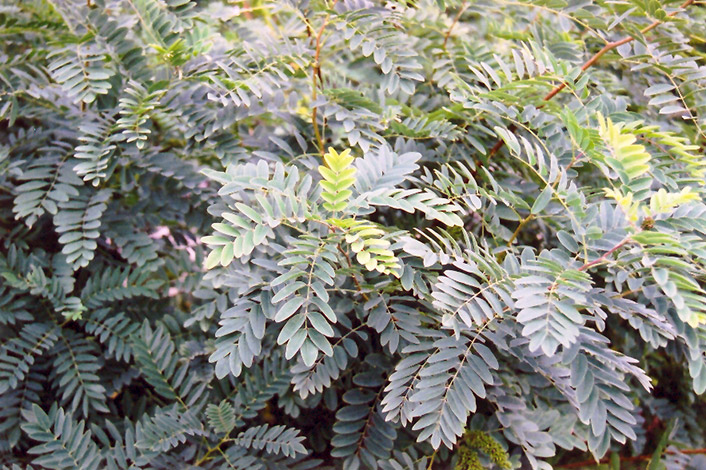
Hardiness Zone: 3a Other Names: Leadplant Description: A relatively uncommon but tough shrub; purple flowers in early summer are interesting but not showy, fine foliage; excellent for poor soils or dry spots in the landscape; best used in masses as a hedge or screen Ornamental Features Indigo Bush features subtle spikes of indigo pea-like flowers with gold anthers rising above the foliage in late spring. It has green deciduous foliage. The pinnately compound leaves turn yellow in fall. Landscape Attributes Indigo Bush is a multi-stemmed deciduous shrub with a more or less rounded form. Its relatively fine texture sets it apart from other landscape plants with less refined foliage. This shrub will require occasional maintenance and upkeep, and can be pruned at anytime. It is a good choice for attracting bees, butterflies and hummingbirds to your yard, but is not particularly attractive to deer who tend to leave it alone in favor of tastier treats. It has no significant negative characteristics. Indigo Bush is recommended for the following landscape applications; Planting & Growing Indigo Bush will grow to be about 10 feet tall at maturity, with a spread of 8 feet. It tends to be a little leggy, with a typical clearance of 3 feet from the ground, and is suitable for planting under power lines. It grows at a medium rate, and under ideal conditions can be expected to live for 50 years or more. This shrub should only be grown in full sunlight. It is very adaptable to both dry and moist growing conditions, but will not tolerate any standing water. It is considered to be drought-tolerant, and thus makes an ideal choice for xeriscaping or the moisture-conserving landscape. It is particular about its soil conditions, with a strong preference for poor, alkaline soils, and is able to handle environmental salt. It is highly tolerant of urban pollution and will even thrive in inner city environments. This species is native to parts of North America.









By
Ben Richard
/ January 8, 2025


Characteristics
Applications
Features & Attributes