

Height: 15 feet Spread: 15 feet
Sunlight:
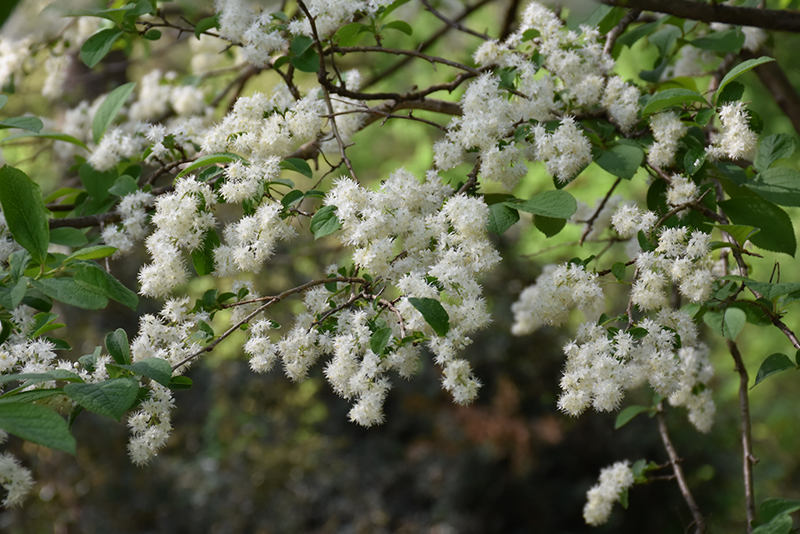
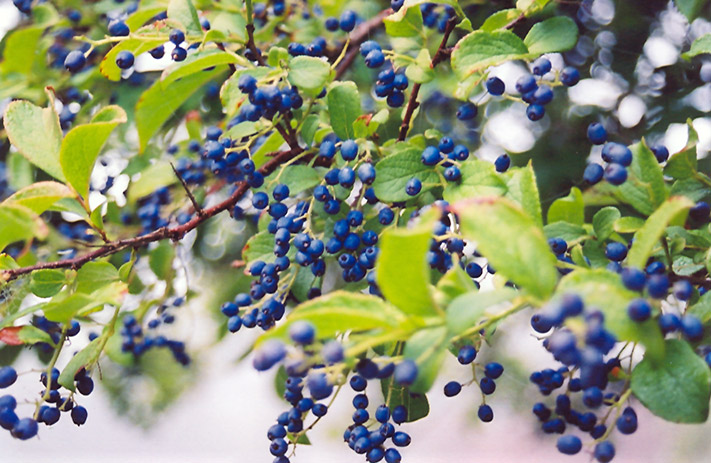
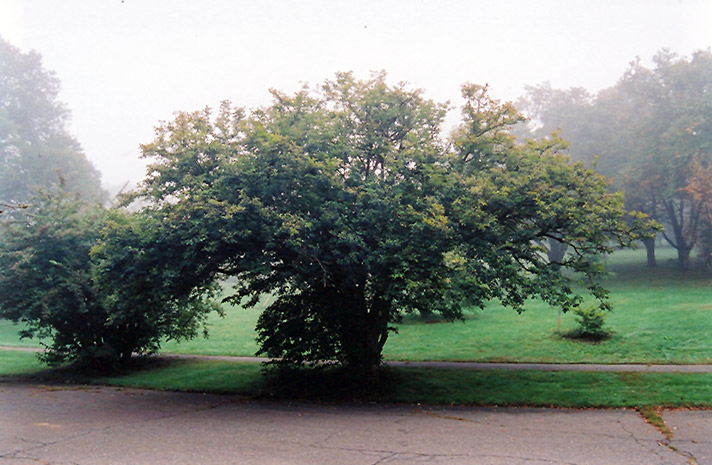
Hardiness Zone: 4b Description: What may be a relatively average large shrub the rest of the year becomes an absolute standout in early fall when it is covered in abundant sapphire-blue berries, truly amazing, also has pretty fragrant white flowers in spring; needs a pollenator Ornamental Features Sapphireberry has panicles of fragrant white flowers along the branches in late spring. It features an abundance of magnificent turquoise berries from early to late fall. It has dark green deciduous foliage. The round leaves do not develop any appreciable fall color. Landscape Attributes Sapphireberry is a multi-stemmed deciduous shrub with a more or less rounded form. Its relatively fine texture sets it apart from other landscape plants with less refined foliage. This is a relatively low maintenance shrub, and should only be pruned after flowering to avoid removing any of the current season's flowers. It is a good choice for attracting birds to your yard. It has no significant negative characteristics. Sapphireberry is recommended for the following landscape applications; Planting & Growing Sapphireberry will grow to be about 15 feet tall at maturity, with a spread of 15 feet. It tends to fill out right to the ground and therefore doesn't necessarily require facer plants in front, and is suitable for planting under power lines. It grows at a slow rate, and under ideal conditions can be expected to live for 50 years or more. While it is considered to be somewhat self-pollinating, it tends to set heavier quantities of fruit with a different variety of the same species growing nearby. This shrub should only be grown in full sunlight. It prefers to grow in average to moist conditions, and shouldn't be allowed to dry out. It is not particular as to soil type or pH. It is highly tolerant of urban pollution and will even thrive in inner city environments. This species is not originally from North America.







By
Ben Richard
/ January 8, 2025


Characteristics
Applications
Features & Attributes