

Height: 6 feet Spread: 6 feet
Sunlight:
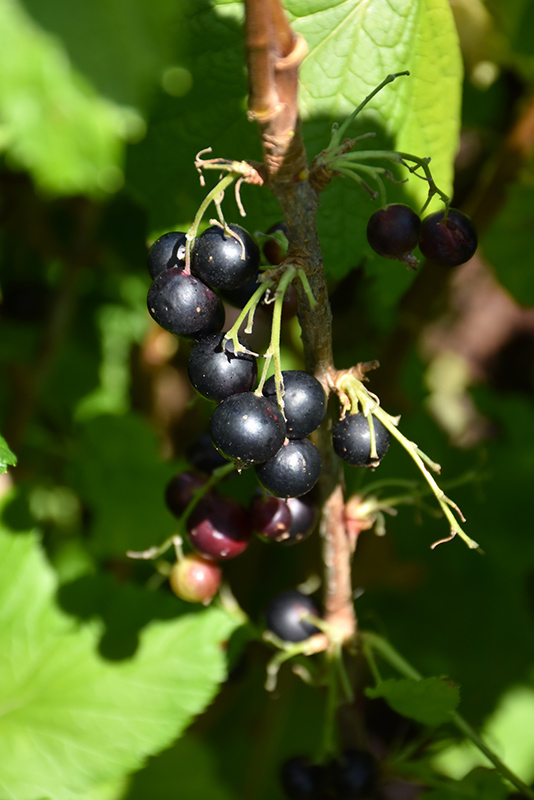
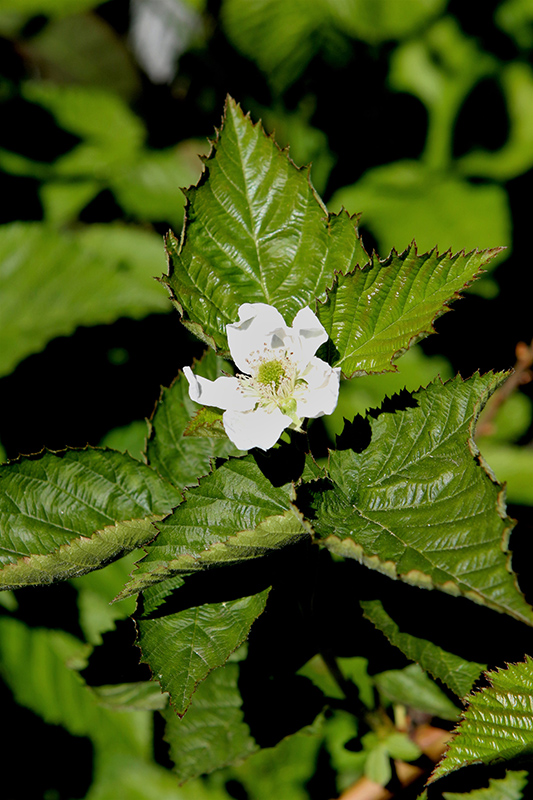
Hardiness Zone: 3a Other Names: Josta Berry Description: A complex, thornless cross of gooseberry and black currant that produces abundant deep red-black fruit with sweet flesh and a tangy skin; highly resistant to mildew and other diseases, needs regular pruning for best production Edible Qualities Jostaberry is a medium-sized shrub that is commonly grown for its edible qualities. It produces plum purple round berries which are usually ready for picking from early to mid summer. The berries will often fade to black over time. The berries have a tangy taste and a juicy texture. The berries are most often used in the following ways: Features & Attributes Jostaberry has rich green deciduous foliage on a plant with an upright spreading habit of growth. The lobed leaves turn yellow in fall. It features an abundance of magnificent plum purple berries in early summer, which fade to black over time. This is a multi-stemmed deciduous shrub with an upright spreading habit of growth. Its average texture blends into the landscape, but can be balanced by one or two finer or coarser trees or shrubs for an effective composition. This plant will require occasional maintenance and upkeep, and is best pruned in late winter once the threat of extreme cold has passed. It is a good choice for attracting birds and butterflies to your yard. It has no significant negative characteristics. Aside from its primary use as an edible, Jostaberry is sutiable for the following landscape applications; Planting & Growing Jostaberry will grow to be about 6 feet tall at maturity, with a spread of 6 feet. It has a low canopy, and is suitable for planting under power lines. It grows at a medium rate, and under ideal conditions can be expected to live for approximately 20 years. While it is considered to be somewhat self-pollinating, it tends to set heavier quantities of fruit with a different variety of the same species growing nearby. This shrub is typically grown in a designated area of the yard because of its mature size and spread. It does best in full sun to partial shade. It prefers to grow in average to moist conditions, and shouldn't be allowed to dry out. It is not particular as to soil type or pH. It is somewhat tolerant of urban pollution, and will benefit from being planted in a relatively sheltered location. This particular variety is an interspecific hybrid.







By
Ben Richard
/ January 8, 2025


Characteristics
Applications
Features & Attributes