

Height: 50 feet Spread: 30 feet
Sunlight:
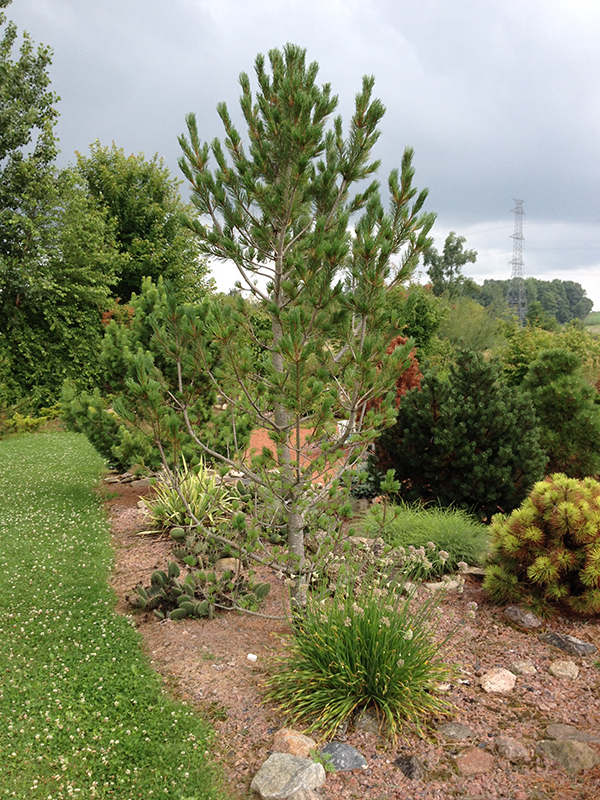
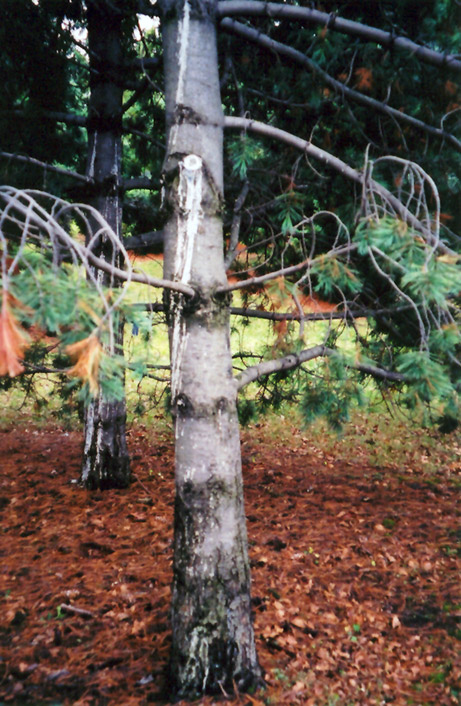
Hardiness Zone: 3b Description: An open, upright evergreen tree known for its distinctive bark which becomes patchy white when mature; a very tough, rugged plant, tolerant of poor, dry soils, good for windbreaks Ornamental Features Whitebark Pine is primarily valued in the landscape for its ornamental globe-shaped form. It has bluish-green evergreen foliage. The needles remain bluish-green throughout the winter. The shaggy silver bark is extremely showy and adds significant winter interest. Landscape Attributes Whitebark Pine is a dense evergreen tree with a strong central leader and a more or less rounded form. Its average texture blends into the landscape, but can be balanced by one or two finer or coarser trees or shrubs for an effective composition. This tree will require occasional maintenance and upkeep. When pruning is necessary, it is recommended to only trim back the new growth of the current season, other than to remove any dieback. Gardeners should be aware of the following characteristic(s) that may warrant special consideration; Whitebark Pine is recommended for the following landscape applications; Planting & Growing Whitebark Pine will grow to be about 50 feet tall at maturity, with a spread of 30 feet. It has a low canopy with a typical clearance of 4 feet from the ground, and should not be planted underneath power lines. It grows at a slow rate, and under ideal conditions can be expected to live to a ripe old age of 100 years or more; think of this as a heritage tree for future generations! This tree does best in full sun to partial shade. It prefers dry to average moisture levels with very well-drained soil, and will often die in standing water. It is not particular as to soil type or pH. It is somewhat tolerant of urban pollution. This species is native to parts of North America.








By
Ben Richard
/ January 8, 2025


Characteristics
Applications
Features & Attributes