

Height: 3 feet Spread: 3 feet
Sunlight:
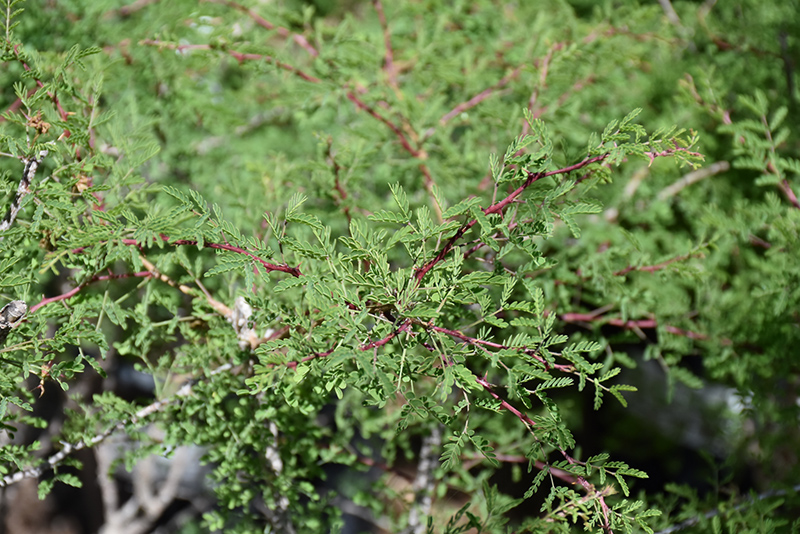
Hardiness Zone: 5b Other Names: Pink Mimosa, syn. Mimosa Fragrans. Catclaw Mimosa Description: A small, thorny deciduous shrub with rigid, zig-zag branches and small, bi-pinnate leaves; drought tolerant once established, and used in xeriscaping; pink pincushion flowers from spring into summer; an excellent plant for sunny, dry areas Ornamental Features Fragrant Mimosa is clothed in stunning clusters of fragrant pink pincushion flowers with buttery yellow anthers along the branches from mid spring to late summer. It has bluish-green deciduous foliage. The tiny narrow bipinnately compound leaves do not develop any appreciable fall color. The burgundy stems are very effective and add winter interest. Landscape Attributes Fragrant Mimosa is a multi-stemmed deciduous shrub with an upright spreading habit of growth. Its average texture blends into the landscape, but can be balanced by one or two finer or coarser trees or shrubs for an effective composition. This shrub will require occasional maintenance and upkeep, and should only be pruned after flowering to avoid removing any of the current season's flowers. It is a good choice for attracting bees and butterflies to your yard, but is not particularly attractive to deer who tend to leave it alone in favor of tastier treats. Gardeners should be aware of the following characteristic(s) that may warrant special consideration; Fragrant Mimosa is recommended for the following landscape applications; Planting & Growing Fragrant Mimosa will grow to be about 3 feet tall at maturity, with a spread of 3 feet. It tends to fill out right to the ground and therefore doesn't necessarily require facer plants in front. It grows at a medium rate, and under ideal conditions can be expected to live for approximately 10 years. This shrub does best in full sun to partial shade. It is very adaptable to both dry and moist growing conditions, but will not tolerate any standing water. It is considered to be drought-tolerant, and thus makes an ideal choice for a low-water garden or xeriscape application. It is not particular as to soil type, but has a definite preference for acidic soils, and is able to handle environmental salt. It is highly tolerant of urban pollution and will even thrive in inner city environments. This species is native to parts of North America. It can be propagated by cuttings.













By
Ben Richard
/ January 8, 2025


Characteristics
Applications
Features & Attributes