

Height: 6 feet Spread: 6 feet
Sunlight:
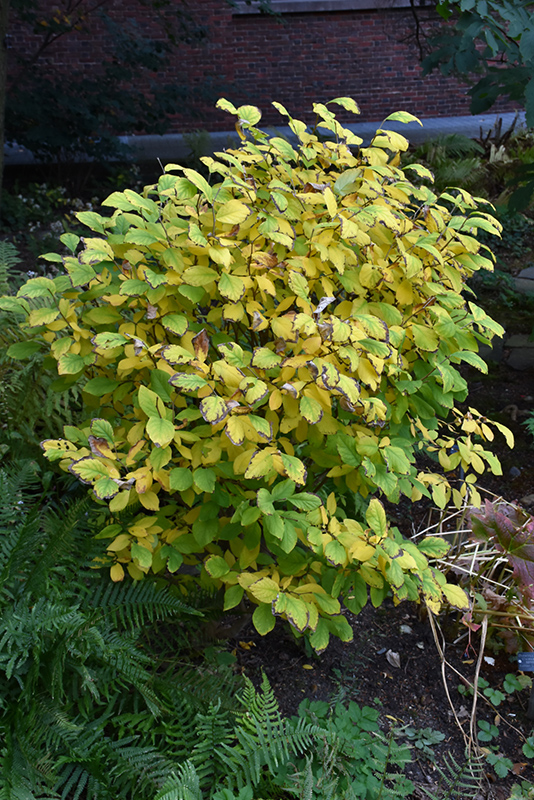
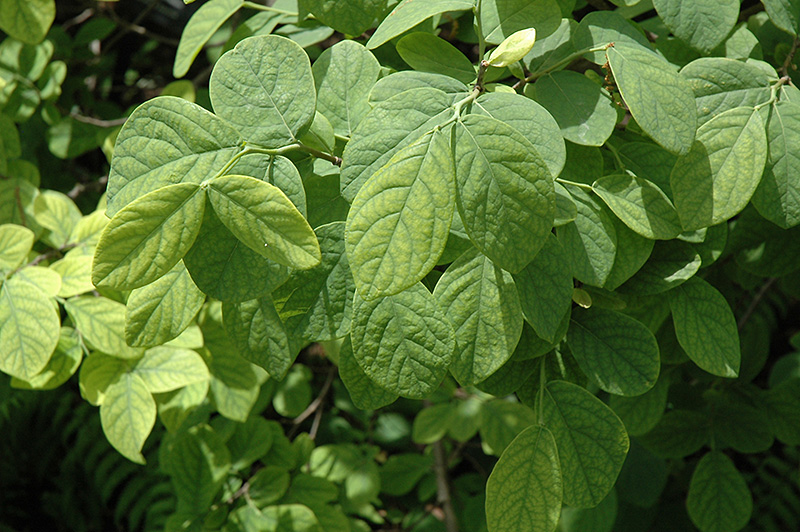
Hardiness Zone: 3a Description: While this may not be an overwhelming shrub in terms of its ornamental attributes, it is one of the few shrubs that does well in both full shade and very wet sites, fall color can be superb; name refers to the extremely tough bark which is hard to tear Ornamental Features Leatherwood has light green deciduous foliage on a plant with a round habit of growth. The oval leaves turn an outstanding lemon yellow in the fall. The smooth olive green bark adds an interesting dimension to the landscape. Landscape Attributes Leatherwood is a multi-stemmed deciduous shrub with a more or less rounded form. Its average texture blends into the landscape, but can be balanced by one or two finer or coarser trees or shrubs for an effective composition. This is a relatively low maintenance shrub, and is best pruned in late winter once the threat of extreme cold has passed. It has no significant negative characteristics. Leatherwood is recommended for the following landscape applications; Planting & Growing Leatherwood will grow to be about 6 feet tall at maturity, with a spread of 6 feet. It has a low canopy, and is suitable for planting under power lines. It grows at a slow rate, and under ideal conditions can be expected to live for approximately 25 years. This shrub performs well in both full sun and full shade. It prefers to grow in moist to wet soil, and will even tolerate some standing water. It is not particular as to soil pH, but grows best in rich soils. It is quite intolerant of urban pollution, therefore inner city or urban streetside plantings are best avoided. Consider applying a thick mulch around the root zone in both summer and winter to conserve soil moisture and protect it in exposed locations or colder microclimates. This species is native to parts of North America.








By
Ben Richard
/ January 8, 2025


Characteristics
Applications
Features & Attributes