

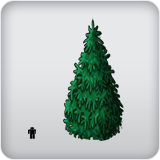
Height: 70 feet Spread: 20 feet
Sunlight:
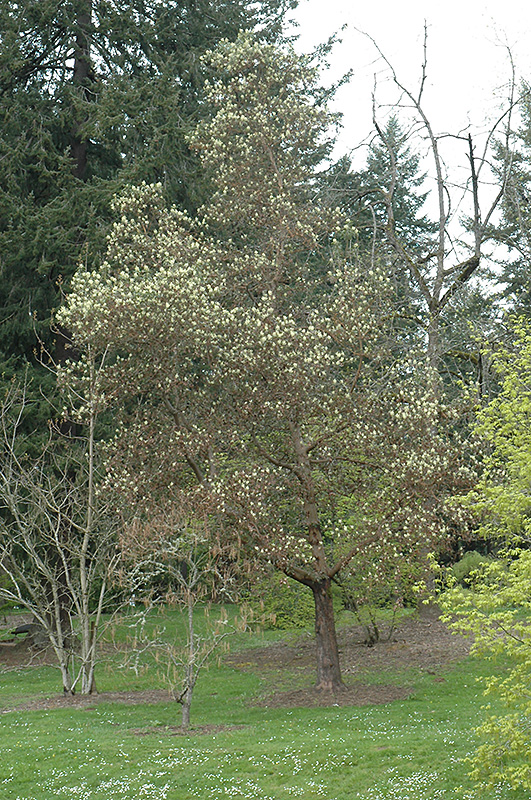
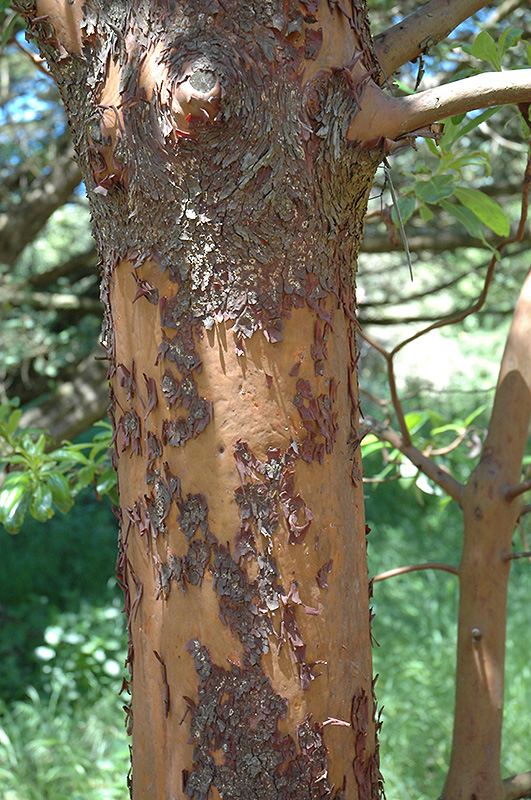
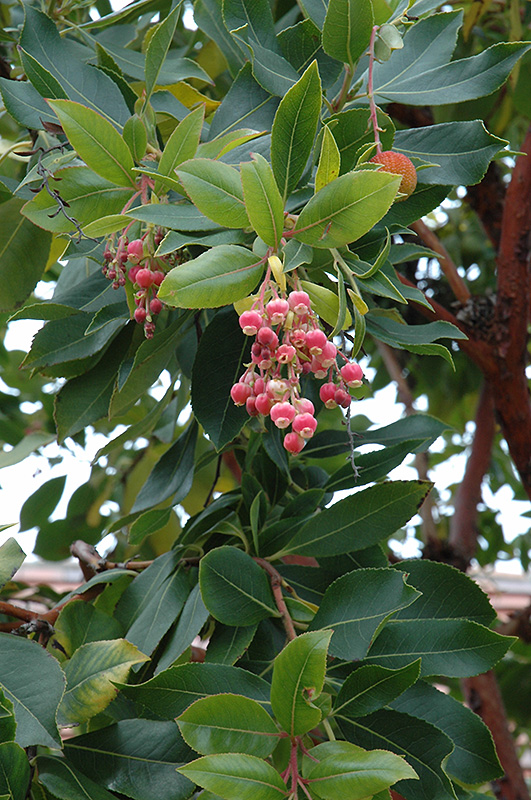
Hardiness Zone: 9b Other Names: Madrona; Bearberry; Strawberry Tree Description: A beautiful large evergreen tree with a broad dense crown; pendulous clusters of flowers are produced year-round followed by edible red fruit; drought tolerant but best when watered; deep rooted for soil retention Ornamental Features Pacific Madrone features showy clusters of white bell-shaped flowers hanging below the branches from mid fall to late winter. It has green evergreen foliage which emerges light green in spring. The pointy leaves turn brown in the fall, which persists throughout the winter. The peeling antique red bark is extremely showy and adds significant winter interest. Landscape Attributes Pacific Madrone is a dense evergreen tree with an upright spreading habit of growth. Its relatively fine texture sets it apart from other landscape plants with less refined foliage. This is a relatively low maintenance tree, and should only be pruned after flowering to avoid removing any of the current season's flowers. Deer don't particularly care for this plant and will usually leave it alone in favor of tastier treats. It has no significant negative characteristics. Pacific Madrone is recommended for the following landscape applications; Planting & Growing Pacific Madrone will grow to be about 70 feet tall at maturity, with a spread of 20 feet. It has a low canopy with a typical clearance of 3 feet from the ground, and should not be planted underneath power lines. It grows at a medium rate, and under ideal conditions can be expected to live for 80 years or more. This tree should only be grown in full sunlight. It is very adaptable to both dry and moist growing conditions, but will not tolerate any standing water. It is considered to be drought-tolerant, and thus makes an ideal choice for xeriscaping or the moisture-conserving landscape. It is not particular as to soil type or pH. It is somewhat tolerant of urban pollution. This species is native to parts of North America.






By
Ben Richard
/ January 8, 2025


Characteristics
Applications
Features & Attributes